

Your body is designed to share the work. Muscles on the front and back, left and right, inside and outside of each joint pull in balance to keep it moving smoothly. When one group becomes much stronger, tighter or more dominant than its partner, that balance breaks down — and the joints, tendons and ligaments in between start absorbing stress they weren’t built for.
What causes a muscle imbalance?
- Repetitive daily habits — sitting for hours, always carrying a bag on one shoulder, or favoring one leg.
- Training the “mirror muscles” — lots of chest and quads, not enough upper back, glutes and hamstrings.
- Old injuries — after a sprain or surgery, the body often compensates and never fully switches back.
- Pain avoidance — we naturally move away from pain, overloading other areas.
Warning signs to watch for
Imbalances are often silent until something hurts. Common clues include one shoulder sitting higher than the other, knees that drift inward during squats or stairs, a recurring “tight” hamstring, uneven shoe wear, or pain that keeps returning on the same side.
Pain is often felt where the stress lands — not where the problem starts.
Why it raises your injury risk
When a joint is pulled out of its ideal position, load concentrates on smaller areas. Over time that can contribute to tendon irritation, knee pain, low back pain, shoulder impingement and ankle sprains. Imbalances also make movement less efficient, so you tire sooner — another risk factor for injury.
How physical therapy corrects it
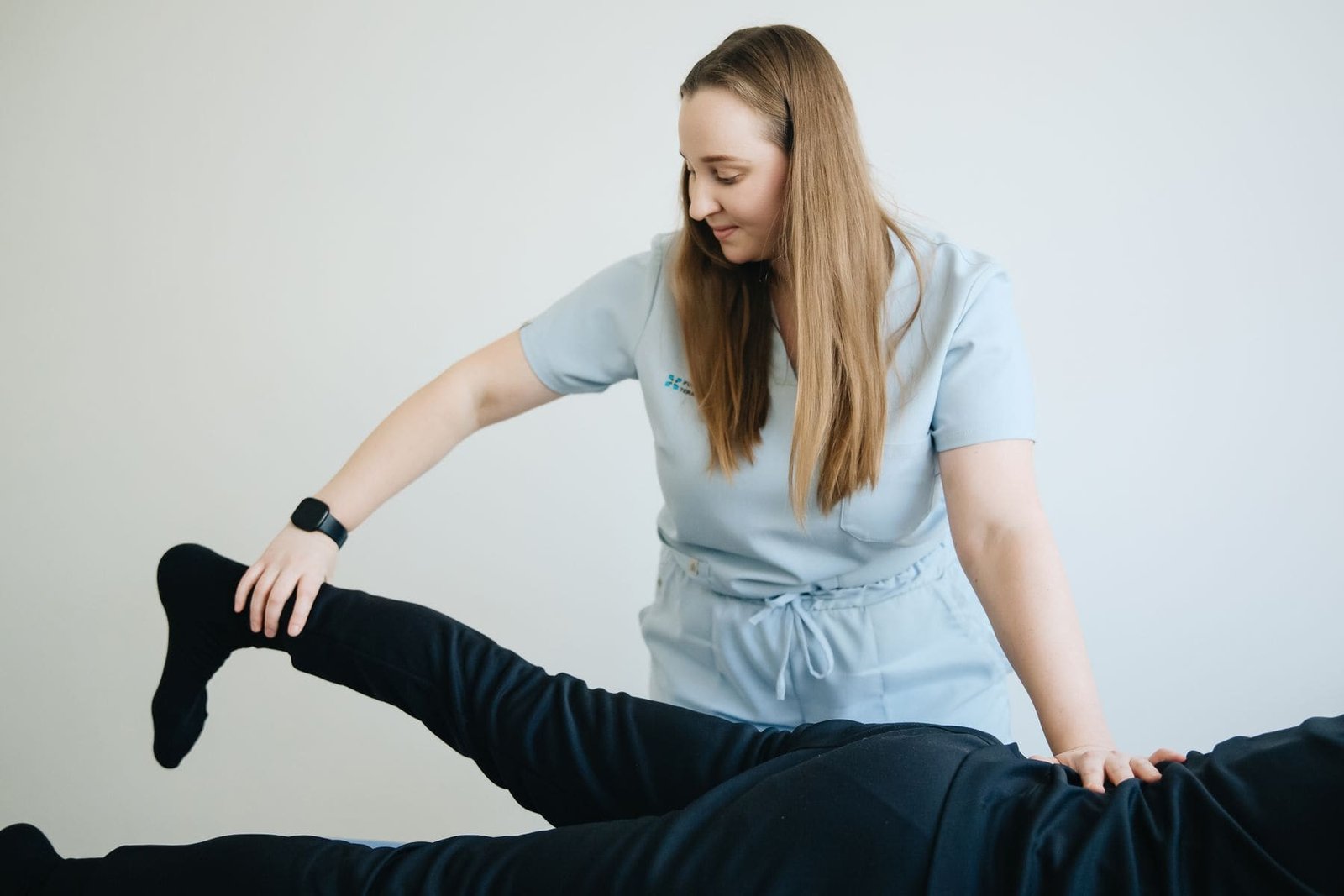
- Assessment: we test strength, flexibility and movement patterns side to side to find the real weak links.
- Targeted strengthening: exercises focus on the underactive muscles, not just the sore spot.
- Mobility work: manual therapy and stretching restore length to tight, overactive tissues.
- Movement retraining: we practice squatting, lifting, walking or running with better mechanics until it becomes automatic.
Simple habits that help
- Switch sides when you carry bags or children.
- Balance every “push” exercise with a “pull” exercise.
- Stand up and move every 30–45 minutes during desk work.
- Don’t ignore a niggle that keeps coming back — it’s information.
If you’re dealing with recurring pain or want to stay ahead of injury, our team can identify imbalances and build a plan to correct them. Learn about orthopedic rehabilitation or book an evaluation.